
Why You Need To Plant Organic Bulbs
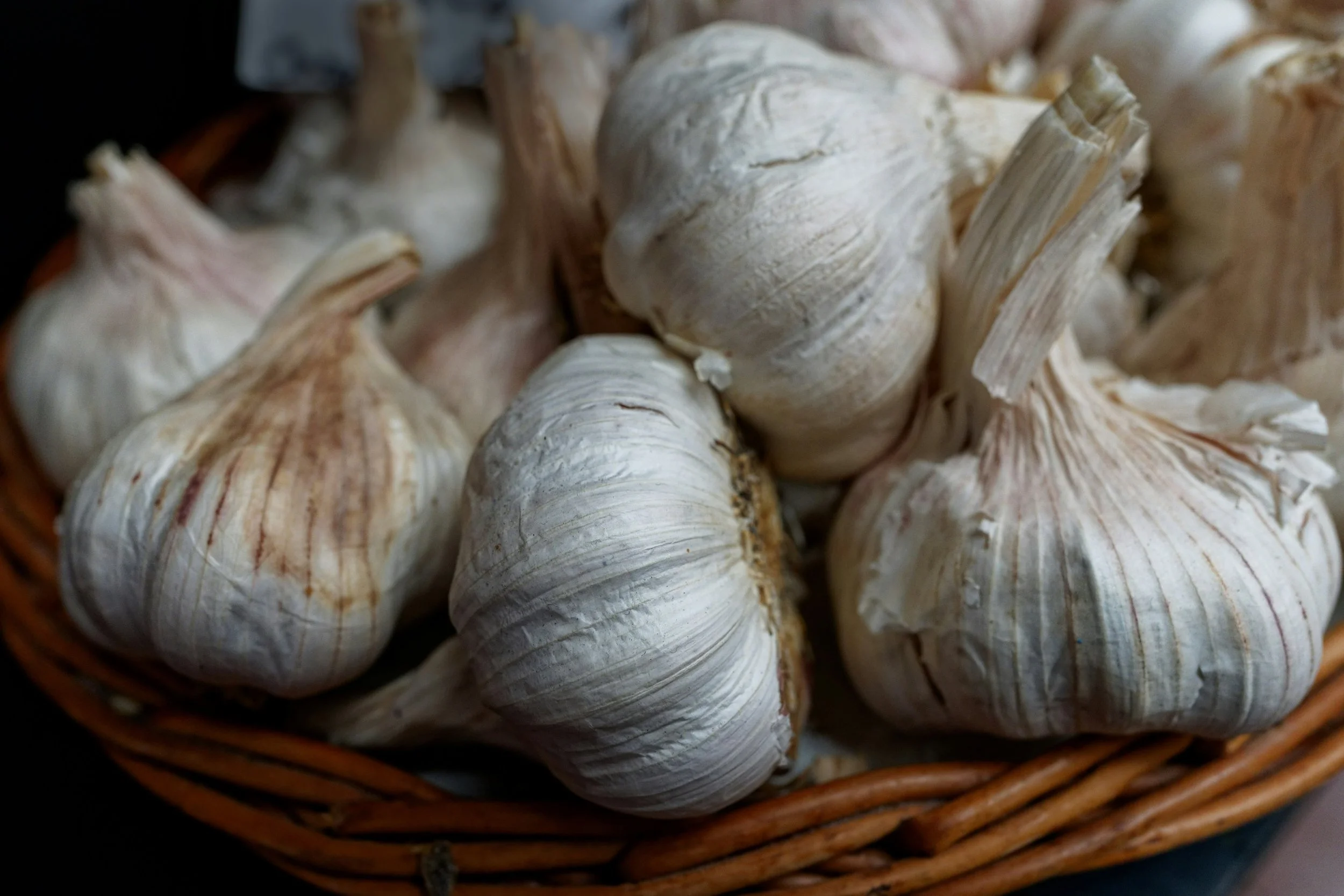
You know that feeling when you find out your "healthy" granola bar is basically a giant sugar stick in disguise? Yes I did actually believe they were healthy! Well that's how I felt when I found out from the good people at Organic Bulbs what goes into most commercially grown flower bulbs that we buy here in the UK. I can’t believe I have been an organic gardener for 15 plus years now and I never ever knew that these innocent, spring joy bringing little garden treats might actually not be so cheerful. Why did I never think of this!
On a sunny morning last spring, I watched a bee tumble around some of my lovely tulips like it had just left a particularly rowdy garden party. At first, I laughed—drunk on nectar, I thought! But then I started wondering: what exactly was this little fella drinking? I ended up going down a very deep rabbit hole. Turns out that systemic pesticides and fungicides can be translocated through plant tissues to reach flowers, pollen, and nectar. Shocking.
Conventional bulbs are often treated with more chemicals than you can shake a stick at. Fungicides, neonicotinoids, you name it. If it ends in "-cide," it's probably been invited to the party. This was terrible news for an organic gardener!
The Not-So-Hidden Cost of Conventional Bulbs
Here's the thing about conventional bulb production: it's efficient, it's widespread, and it's absolutely saturated with treatments that would make a toxicologist nervous. We're talking Thiram, Captan, Imidacloprid—fungicides and neonicotinoids that all sound like supervillains from a comic book.
The problem? All those chemicals don't just disappear. They leach into the soil and groundwater. They coat the bulbs that you handle with bare hands (hello, skin irritation). And worst of all, they can poison by translocation the very creatures we need most—pollinators, beneficial insects, and those unsung heroes of soil health, earthworms. You remember learning about these guys in school right?!
The Science Speaks Volumes
The research on this is frankly alarming. A 2018 study published in Ecotoxicology and Environmental Safety found that six commonly used neonicotinoids caused avoidance behavior and reproduction damage in earthworms at very low concentrations. The existing pollution levels in soil frequently exceed the lowest observed adverse effect concentrations, which means earthworms in treated gardens are likely experiencing biological and ecological harm. This is mind blowing.
But wait, it gets worse. Recent investigations have uncovered that 25 PFAS pesticides are currently in use in the UK. PFAS—"forever chemicals"—are synthetic substances that persist in the environment for decades to over 1,000 years, accumulating in soil, water, wildlife, and yes, our own bodies. These aren't your traditional pesticides that eventually break down. These truly are forever. All gardeners need to know this!
Research by FIDRA found that in 2022, PFAS pesticides were sprayed on the equivalent of more than 10.6 million hectares of UK crops, and they represented 16% of the most used pesticides in the arable sector. Even more concerning? The use of six of the most popular PFAS pesticides significantly increased between 2020 and 2022. While we're focusing on planting pretty spring bulbs, UK agriculture is increasingly drenching the land with chemicals that will outlive several generations of gardeners.
More bad news for you I'm afraid, research from the journal Environmental Toxicology and Chemistry discovered that when compared to other common insecticides, neonicotinoids are among the most toxic to earthworms. In fact, acetamiprid and imidacloprid were found to be the two most toxic insecticides overall to these essential soil organisms.
And here's where it becomes truly disturbing for UK gardeners and consumers: analysis by Pesticide Action Network UK found that 95% of UK strawberries tested in 2022 contained PFAS pesticide residues. These chemicals were also detected in grapes, cherries, spinach, and tomatoes. The UK's contamination rates actually exceed those in the rest of Europe—of 55 UK-grown strawberry samples tested, 91% contained PFAS pesticides, compared to 37% peak contamination in EU countries! C'mon people wake up!
What does this mean for ornamental bulb production? While specific studies on flower bulbs are limited, the horticultural industry uses the same pesticide products. If food crops grown in UK soil are this contaminated, it's reasonable to assume similar treatments are being used on conventional ornamental bulbs. The chemicals don't discriminate between a strawberry field and a tulip field.
Think about that for a moment. Earthworms—the creatures that create the beautiful, crumbly soil structure we all dream about—are being poisoned by the very bulbs we're planting to beautify our gardens, to bring us joy when everything on the surface is dead. Little do we realise the potential harm we are causing below.
And it's not just the neonicotinoids. Fungicides, those chemicals used to prevent rot and disease in stored bulbs, have their own dark side. A comprehensive 2024 meta-analysis of 73 studies found that fungicides significantly inhibit soil respiration, microbial diversity, and enzyme activity. At five times the recommended application rate, they reduced microbial carbon by 7.37% and decreased fungal populations by nearly 34%.
The Forever Chemical Problem
Research shows that PFAS pesticides are known to alter soil microbial communities and reduce the biodiversity and connectivity of soil bacteria—all of which can impact future crop yields and long-term soil health. You're not just contaminating this year's garden; you're potentially damaging the soil ecosystem for generations. This is why we say on our home page that SUSTAINABILITY STARTS WITH YOU!
Six of the 25 PFAS pesticides currently used in the UK are classified as "Highly Hazardous," including lambda-cyhalothrin, which is highly toxic to both humans and bees. In 2022, 9,200 kg of this single chemical was applied to 1.69 million hectares of UK land—the equivalent of eleven times the size of Greater London.
The truly maddening part? Farmers and gardeners are often completely unaware they're using PFAS because manufacturers aren't required to indicate "forever chemicals" on product labels. You could be buying what looks like a standard fungicide or bulb treatment, with no idea you're introducing chemicals that will persist in your soil for centuries.
I once had a neighbor who boasted about their "bee-friendly garden" while planting hundreds of treated bulbs. The irony was thicker than the fungicide coating on those tulips. It's like inviting someone to dinner and serving them a meal laced with just a touch of poison. "But look how pretty the table settings are!"
Why Organic Bulbs Are Worth It
This is where companies like Organic Bulbs come into the picture. They work with multi-generational Dutch growers who've mastered the art of bulb cultivation without the chemical crutch. No neonicotinoids poisoning your earthworms. No fungicides sneaking into your water supply. Just bulbs, soil, and old-fashioned horticultural know-how.
And before you ask: yes, they work just as well. Organic bulbs produce stronger plants with more vigorous foliage. It's almost as if plants don't actually need to be chemically coddled to survive. Revolutionary concept, I know.
The Real-World Benefits (Backed By Science)
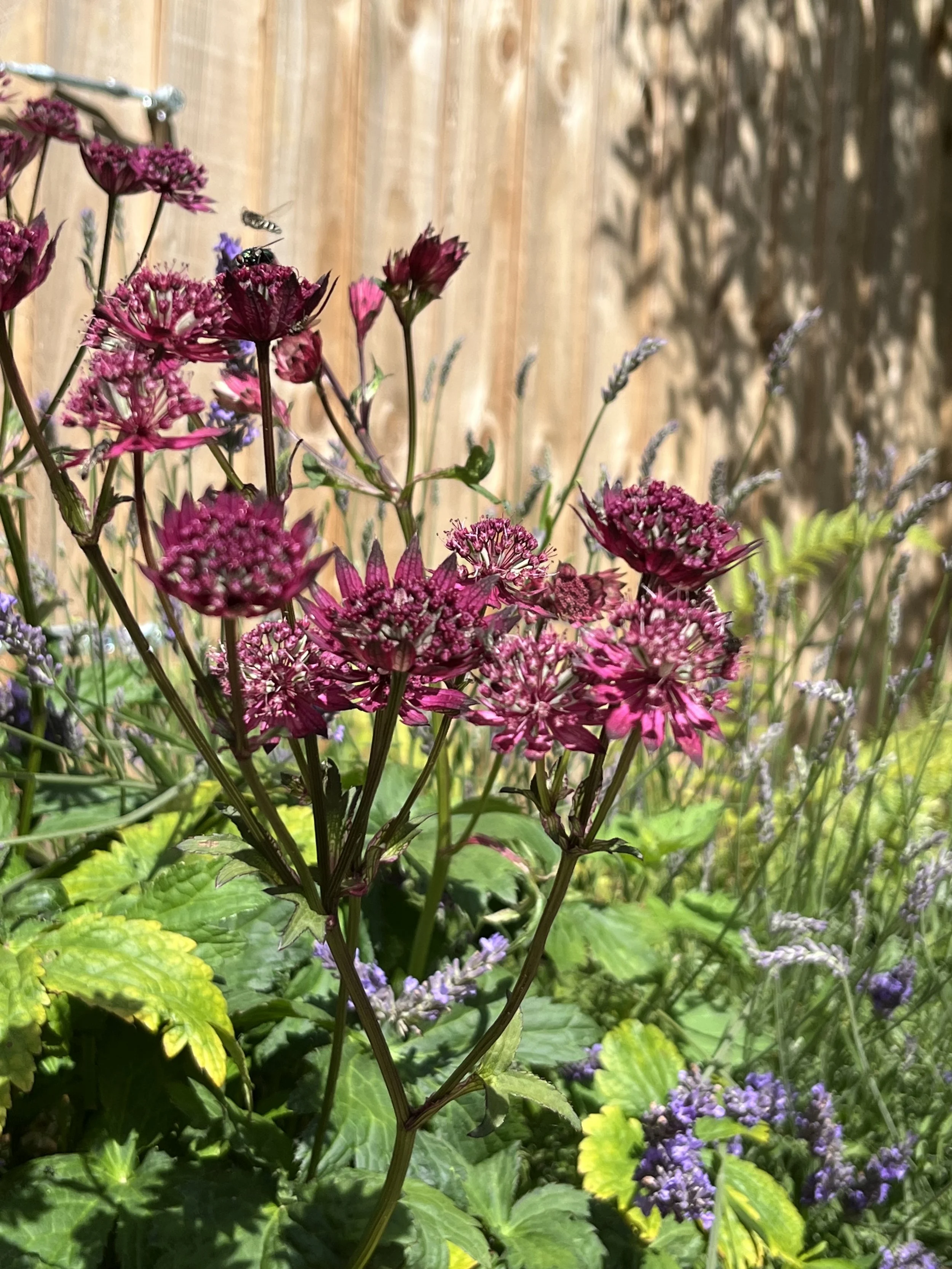
Let's get practical. When you choose organic bulbs, you're getting:
Clean pollinator food sources. Research published in Environmental Science & Technology confirms that neonicotinoids are highly toxic to earthworms and can persist in soil, creating multiple routes for chronic exposure of non-target organisms including pollinators. Your bees and beneficial insects get nectar and pollen without the side of pesticides. They can do their essential work without staggering around like my tulip bee, potentially suffering from neurological damage.
Safer soil ecosystems. A 2024 study in the journal Toxicity evaluation found that even at relatively low concentrations, neonicotinoids significantly affected earthworm behavior. These chemicals bind to neurotransmitters, altering locomotion and potentially causing long-term damage to soil fauna. Earthworms aren't being poisoned by neonicotinoids, which means they can keep doing their vital work of aerating soil and creating that beautiful, crumbly tilth we all dream about.
Cleaner water. Studies show that fungicides can reach aquatic ecosystems and persist in surface water bodies throughout growing seasons due to their frequent application. They have moderate to high adsorption to organic matter and can contaminate groundwater. The Environment Agency doesn't even actively sample UK rivers for the 25 PFAS pesticides currently in use, so the full extent of water contamination remains unknown. Organic bulbs mean one less source of contamination—and no forever chemicals leaching into waterways.
Healthier soil microbiomes. Research published in Environmental Microbiome found that chemical fungicides like Ridomil had immediate negative effects on soil bacterial diversity, reducing the metabolic activity of beneficial bacterial communities that are essential for nutrient cycling and soil health.
Better for you. If you've ever gotten itchy hands after planting bulbs, you might have been reacting to the chemical treatments. Organic bulbs are much gentler on human skin.
A Word on Naturalising
One of the most delightful discoveries I've made is how beautifully organic bulbs naturalise. Take nectaroscordum siculum (try saying that three times fast after a few glasses of wine). It grows tall, looks striking at every stage from bud to dried seed head, and spreads reliably without trying to take over your garden like some kind of botanical dictator.
Or consider the humble Fritillaria meleagris, with its bashful checkered bells that look like something a fairy would wear to a formal event. Plant them in a damp meadow or under fruit trees, and they'll quietly multiply year after year, creating those magical drifts that make visitors stop and stare.
The best part? These naturalising bulbs don't need to be dug up, divided, and replanted constantly. They're the low-maintenance friends of the plant world—the ones who show up, do their thing beautifully, and don't demand constant attention.
The Bottom Line
Ok so I'm not going to pretend organic bulbs are always cheaper than their conventional counterparts. Sometimes they cost a bit more. But here's my question: what's the real cost of poisoning your garden's ecosystem—potentially for centuries—to save a few quid? What you need to remember here is that it’s not just your garden here it’s a collective problem. Fence lines are not borders for bees, butterflies or water run-off.
The scientific evidence is clear and overwhelming. Multiple studies have shown that neonicotinoids used on bulbs are toxic to soil invertebrates at concentrations as low as 1.0 mg/kg, causing reductions in survival and reproduction. Other research demonstrates that fungicides contaminate soil and water, affecting non-target organisms and beneficial soil microbes.
But the PFAS revelation is what should truly concern us. Unlike traditional pesticides that eventually break down, forever chemicals accumulate in soil, water, and living organisms for decades to over 1,000 years. They're in UK strawberries, vegetables, and likely in conventionally grown ornamental bulbs as well. Every treated bulb you plant could be introducing chemicals that will persist long after your grandchildren are gone.
The UK government's plans to limit PFAS impacts currently focus solely on industrial chemicals, completely ignoring pesticides—despite the fact that pesticides are intentionally designed to be toxic and deliberately released into the environment.
Every time we plant organic bulbs, we're voting with our trowels for a different kind of gardening - one that works with nature rather than against it. We're creating gardens that are genuinely bee-friendly, not just bee-adjacent. We're building soil health instead of degrading it. We are becoming more conscious of our connection to this earth.
Now that I know what I know, there's something deeply satisfying about knowing that my spring display of tulips isn't coming with a side of environmental damage. When I see those blooms now, I can enjoy them without any nagging guilt about what's happening beneath the surface.
So next time you're planning your spring bulb order, take a moment to consider where they're coming from and what's coating them. Your bees, your earthworms, and your local water table will thank you. And that slightly tipsy-looking bee in your tulips? Next spring, it'll just be drunk on nectar, exactly as nature intended.
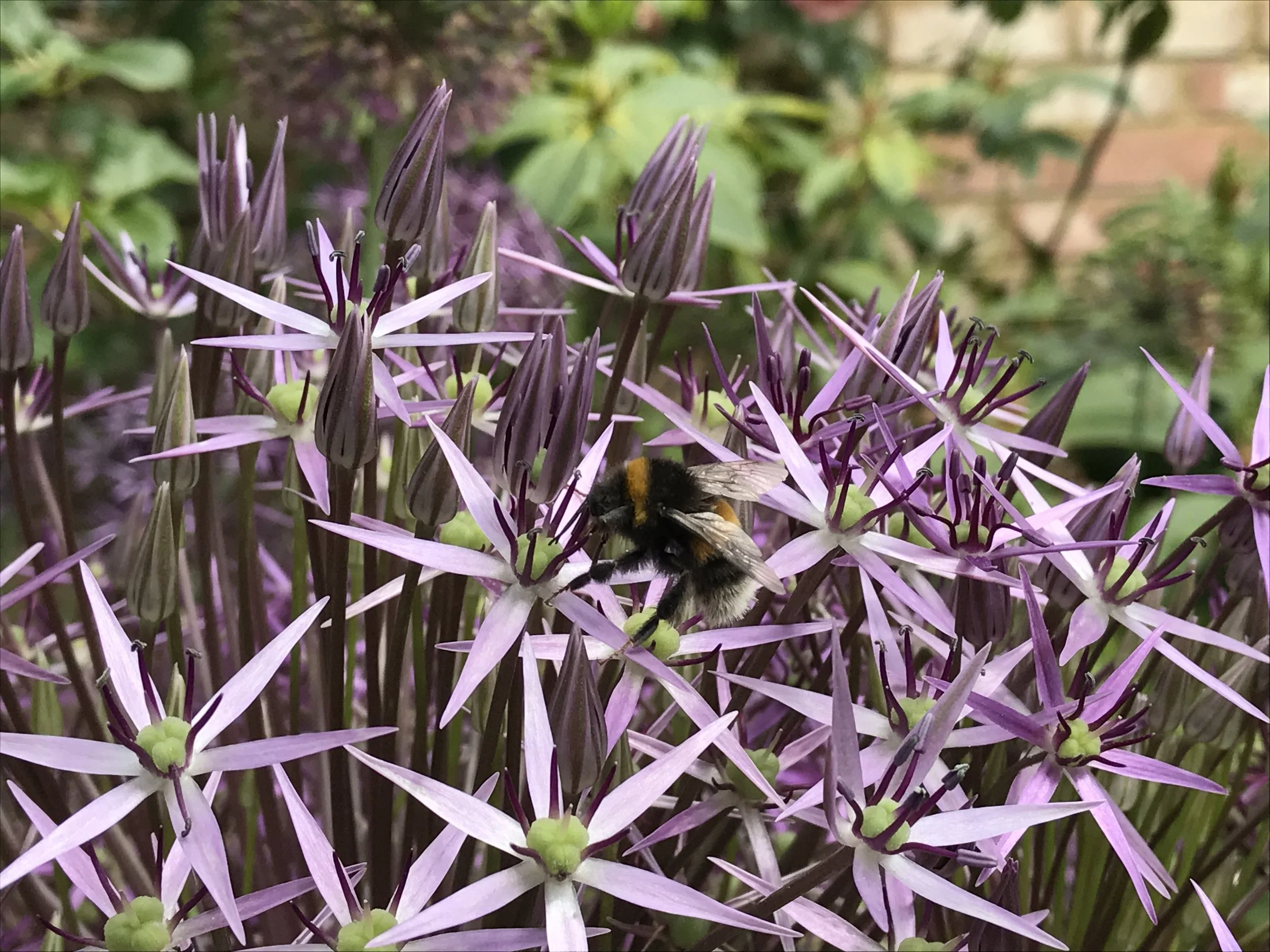
Happy planting, and remember: the best gardens are built from the ground up—and that ground should be as chemical-free as possible - organic gardening is the only way forward for all of us.