How Green Is Horticulture, Really? The Hidden Plastic Problem in Our Industry
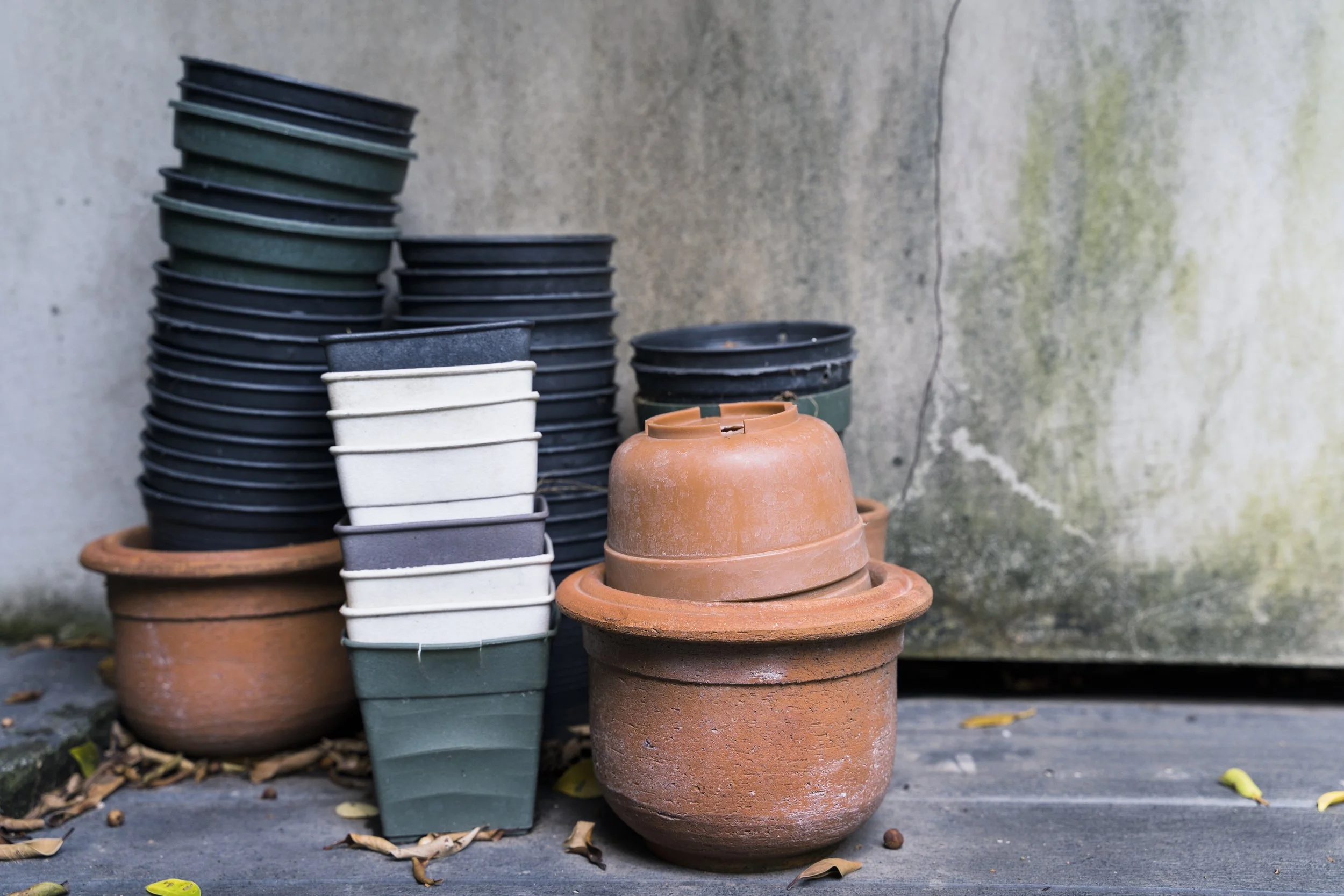
Behind every healthy plant, there’s often a hidden plastic footprint most of us never see. From propagation trays to compost bags and cable ties, plastic has become the backbone of modern gardening. But that convenience comes with a long-term cost — for our soil, ecosystems, and even our health.
Gardening Is Good For The Soul But Not Always For The Earth
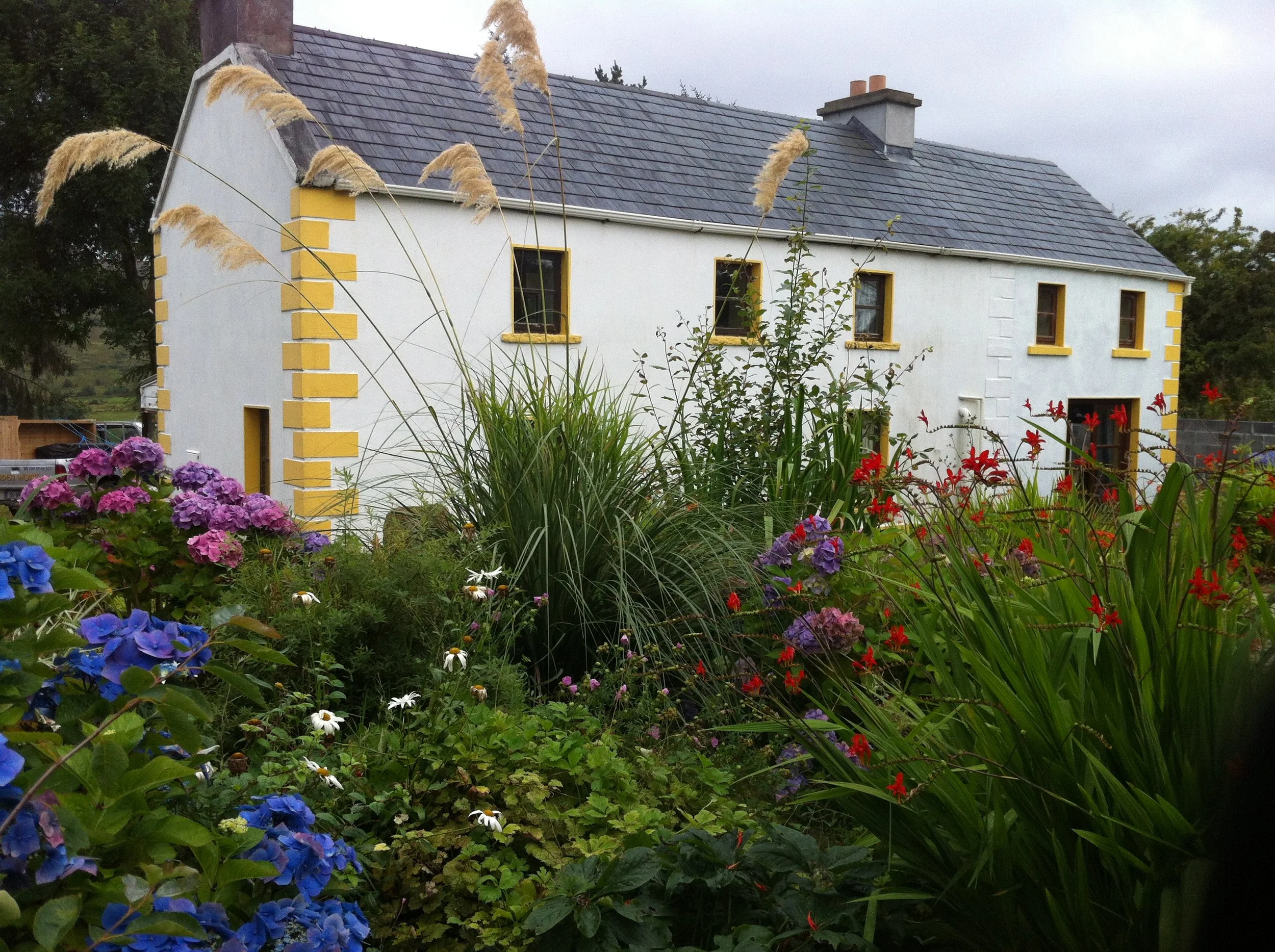
Since ancient times, gardening has been regarded by healers and philosophers as a path to wellbeing. The Romans found solace among their olive groves and herb gardnes. The Babylonians designed gardens that symbolised paradise. Buddhist monks cultivated serene spaces as part of deep meditation practice.
Even today, science confirms what ancient wisdom has always known — gardening is medicine for the soul. Studies show that tending to plants can reduce depression and anxiety as effectively as therapy or medication. It lowers blood pressure, improves focus, and even reduces the risk of dementia.
In short: a little soil under your nails can do wonders for your mind and body.
Why You Need To Plant Organic Bulbs
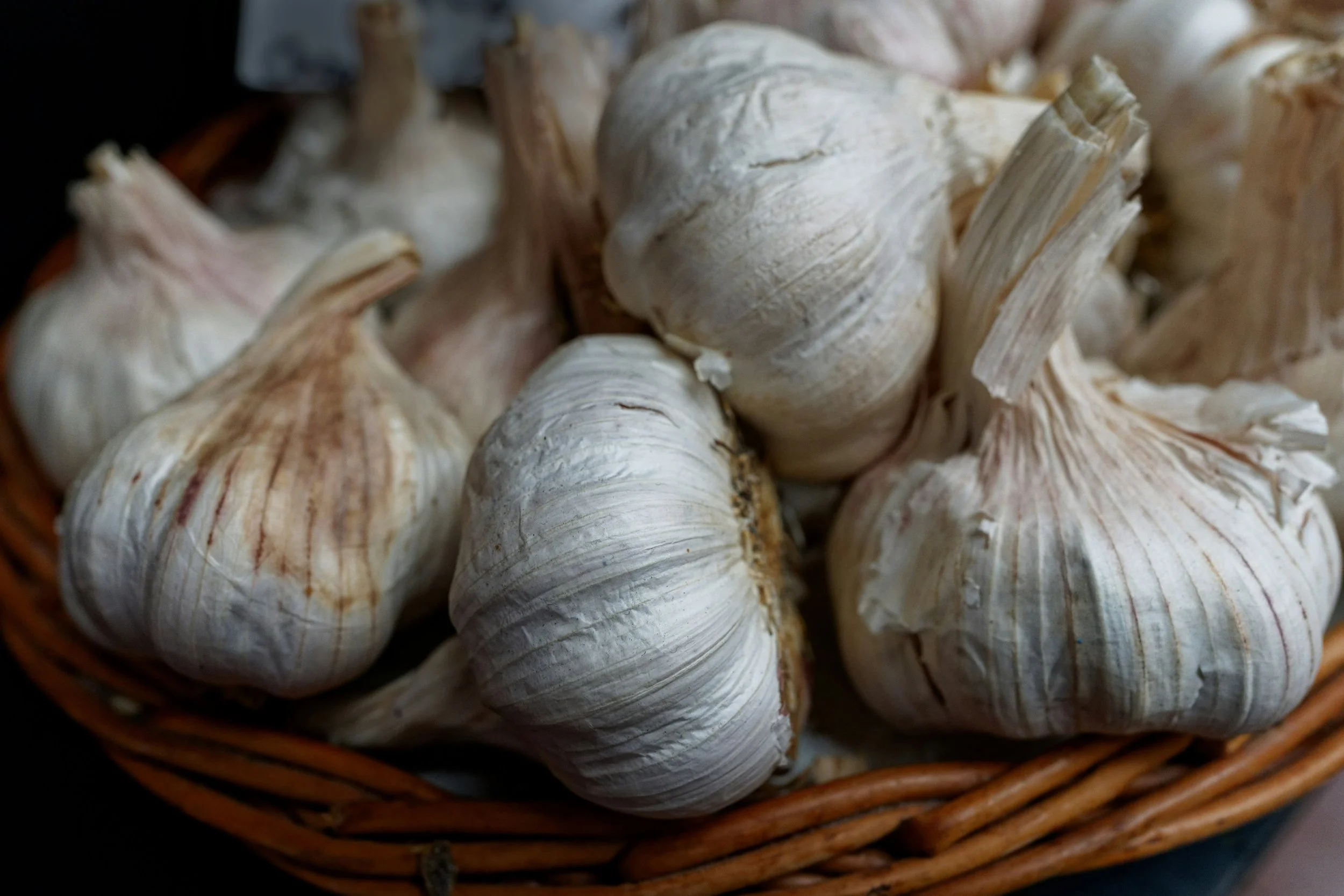
Here's the thing about conventional bulb production: it's efficient, it's widespread, and it's absolutely saturated with treatments that would make a toxicologist nervous. We're talking Thiram, Captan, Imidacloprid—fungicides and neonicotinoids that sound like supervillains from a comic book.
The problem? All those chemicals don't just disappear. They leach into groundwater. They coat the bulbs that you handle with bare hands (hello, skin irritation). And worst of all, they poison the very creatures we need most—pollinators, beneficial insects, and those unsung heroes of soil health, earthworms.
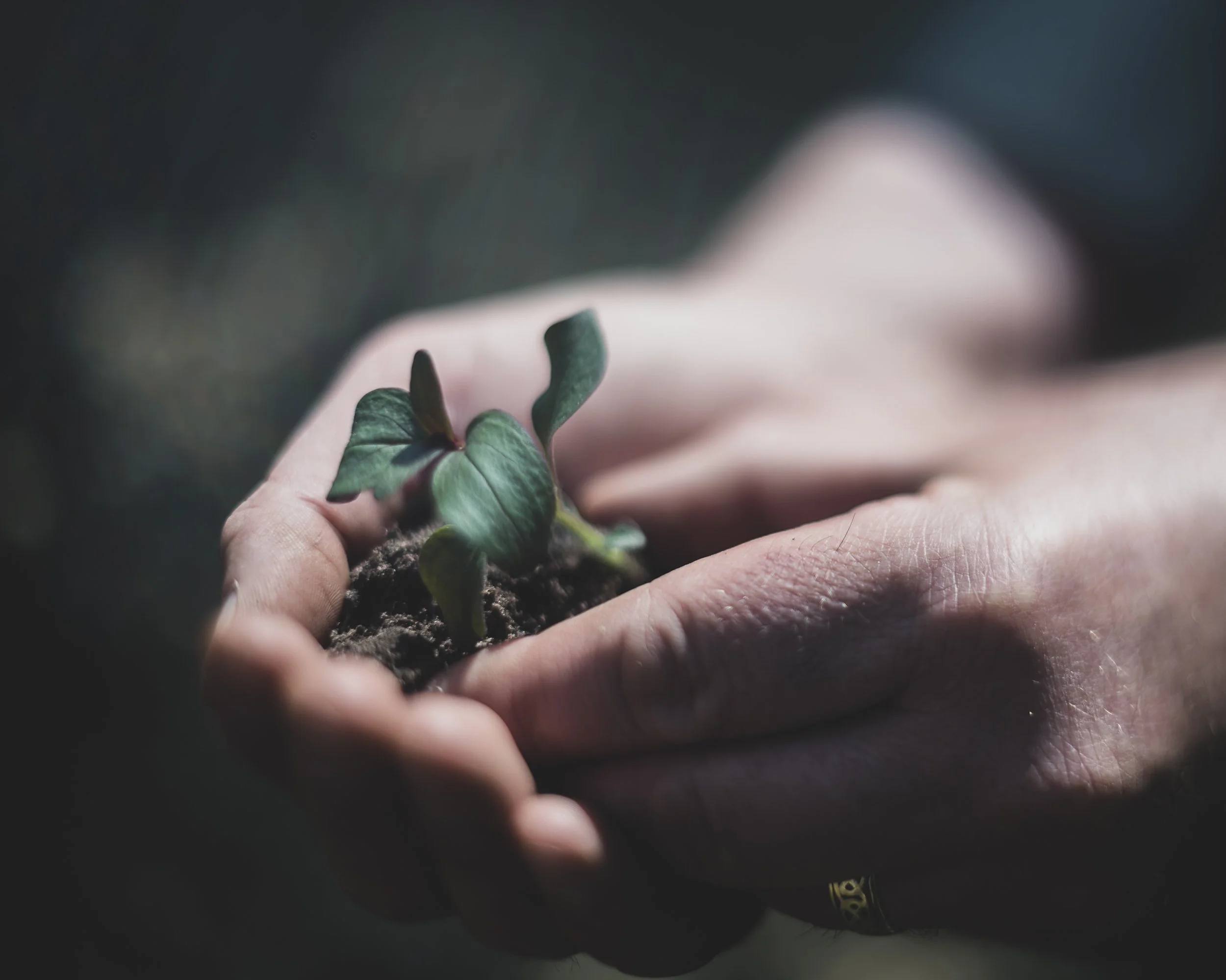
You Are a Steward
Gardening, landscaping, and garden design are not just professions or pastimes — they are acts of stewardship.