Gardening Is Good For The Soul But Not Always For The Earth
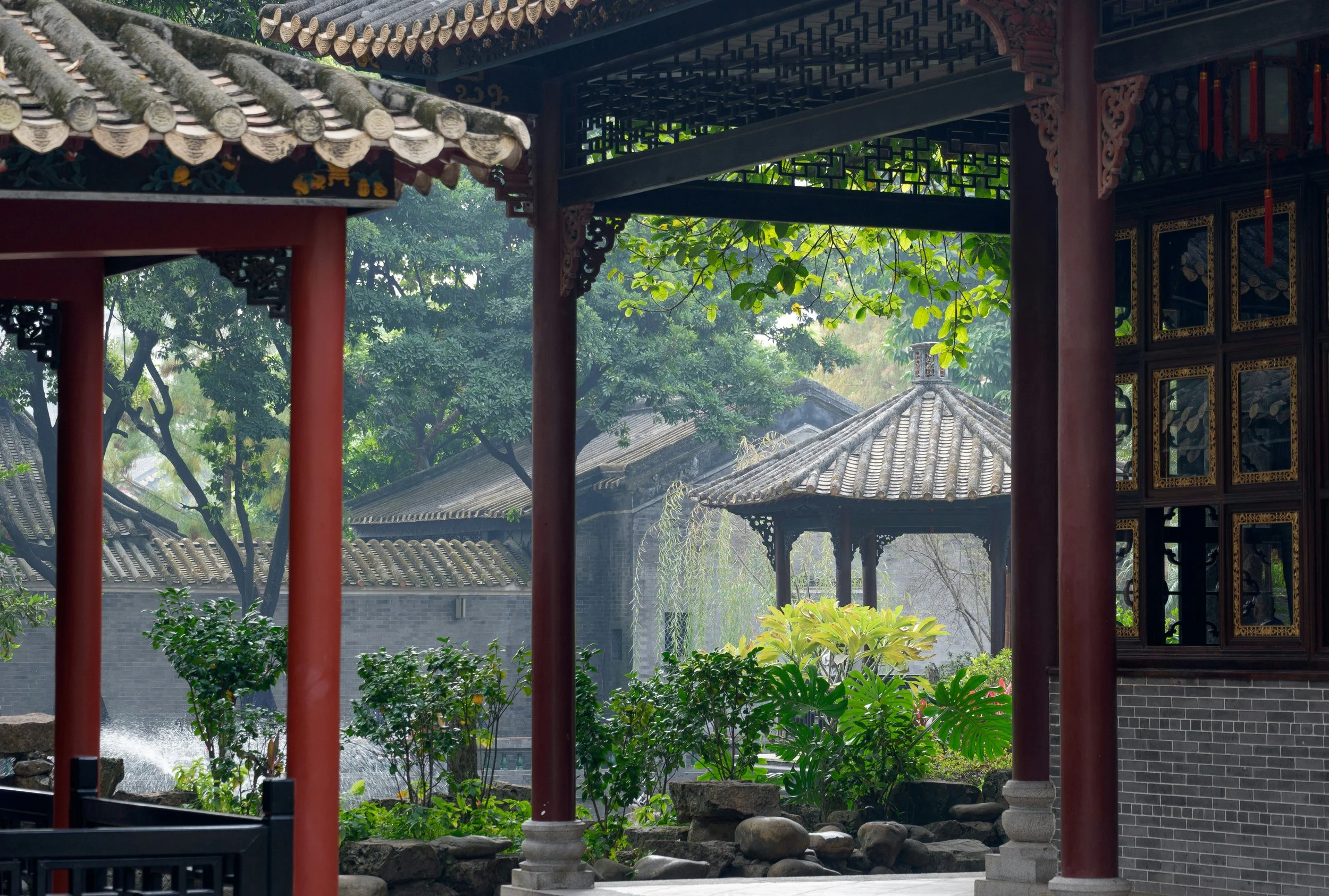
Since ancient times, gardening has been regarded by healers and philosophers as a path to wellbeing. The Romans found solace among their olive groves and herb gardnes. The Babylonians designed gardens that symbolised paradise. Buddhist monks cultivated serene spaces as part of deep meditation practice.
Even today, science confirms what ancient wisdom has always known — gardening is medicine for the soul. Studies show that tending to plants can reduce depression and anxiety as effectively as therapy or medication. It lowers blood pressure, improves focus, and even reduces the risk of dementia.
In short: a little soil under your nails can do wonders for your mind and body.
But here is the ugly truth that few gardeners stop to consider — our gardens may be harming the very nature we’re trying to nurture.
When “Helping” Hurts: The Hidden Toxicity in Our Gardens
Modern gardening has drifted far from its natural roots. In our quest for the perfect lawn or flawless flower bed, we’ve reached for chemical “helpers” — pesticides, herbicides, and synthetic fertilizers — believing they’re harmless tools for success. Or perhaps we are aware of the damage that they can do but we say to ourselves well I’m organic most of the time, nothing seems to be working and I just need to save my beautiful rhododendrums from being eaten, what harm could it do.
This is the problem I think that people don’t really realise how bad these weedkillers and bug sprays actually are how much of these toxic chemicals stick around when they are not supposed to and there is mounting research to prove this.
In the soil
Over 70% of pesticide applications damage the life that makes soil thrive — earthworms, beneficial insects, and the invisible communities of microorganisms that recycle nutrients and build fertility. When soil life dies, plants become weaker and more dependent on chemical inputs, creating a vicious cycle of depletion.
In our plants
Systemic pesticides — the ones applied to seeds, bulbs, and soil — don’t stay where we put them. They’re absorbed and transported through the plant’s tissues, ending up in the nectar, pollen, and fruit.
That means the “bee-friendly” flowers we plant can actually become toxic to pollinators. One study found that 70% of these plants contained neonicotinoids, with some showing residues from as many as seven to ten different chemicals.
In pollinators
Bees, butterflies, and other pollinators are the heartbeat of a healthy ecosystem. Yet many gardens designed to attract them end up becoming death traps. Neonicotinoid residues in nectar can reach levels high enough to disorient bees, suppress their immune systems, and disrupt colony survival.
In our water
The damage doesn’t stop at the garden gate. Rain and irrigation wash these chemicals into storm drains and groundwater, where they contribute to toxic algal blooms and aquatic dead zones. What begins in the back garden ends up affecting rivers, oceans, and entire ecosystems.
The Irony of the Modern Garden
We garden to reconnect with nature — to feel grounded, mindful, and alive. Everyone says how important it is to look after bees and be more sustainable, less plastic etc. But most people don’t and they still reach for that bottle of weedkiller or bug spray. We are destroying the ecosystems we want to protect, it just doesn’t make any sense - we seek healing in the garden while our gardens cry out for healing from us.
The Way Forward: Gardening That Heals, Not Harms
The good news? The solution isn’t to stop gardening. It’s to change how we garden — to move from control to cooperation, from domination to partnership with the natural world.
Here’s how to start:
✅ Ditch the chemicals. Choose organic, biological, and non-toxic pest management options. Nature already has pest control built in — we just need to let it work.
✅ Build living soil. Compost, mulch, and organic matter are your garden’s best allies. Healthy soil means healthy plants — and no need for synthetic fertilisers.
✅ Embrace imperfection. A few holes in your kale or rose leaves aren’t failure — they’re signs of a functioning ecosystem. Beneficial insects need some pests to survive.
✅ Plant for biodiversity. Mix native flowers, herbs, and vegetables to create a resilient, self-sustaining ecosystem that supports pollinators and wildlife.
The Garden That Nourishes Everything
The healthiest garden isn’t the most manicured or pest-free. It’s the one teeming with life — a place buzzing with insects, alive with microbes, and filled with the natural rhythms of growth and decay. Personally I love leaving perennials up until spring, their dead stalks and brown leaves give structure in winter.
That kind of garden is one that is more real if you ask me and it feeds your soul. Every choice you make in your garden — from the soil you nurture to the sprays you skip — ripples outward into the world. Your mental health, your family’s safety, and the planet’s wellbeing are intertwined in that patch of earth you tend. So the next time you step into your garden, remember: You’re not just growing plants. You’re growing the future.
Peace